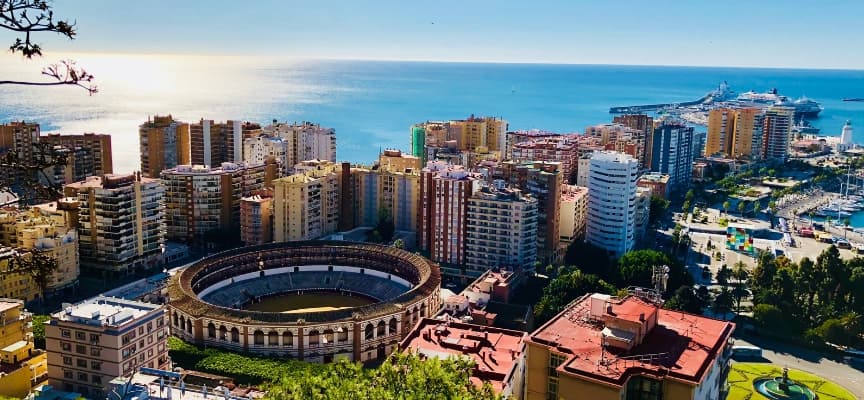
Malaga: The Mediterranean Capital of Sustainable Living
By Fırat Güney Köseoğlu
In recent years, Malaga has undergone a remarkable transformation. Once primarily known for its beaches and tourism, this Andalusian city has emerged as a leader in sustainable urban living. Combining the charm of southern Spain with forward-thinking environmental policies, Malaga is now being recognized as one of Europe’s most livable and eco-conscious cities.
At the heart of this evolution lies a collective commitment — from local authorities, architects, and residents — to redefine what Mediterranean life means in the 21st century. The focus is no longer only on leisure or tourism, but on longevity, efficiency, and responsibility toward the environment.
Sustainability as a Civic Value
Malaga’s green transition didn’t happen overnight. Over the past decade, the city has invested heavily in renewable energy, public transport, and waste management systems. Nearly 80% of its public buses are now hybrid or electric, while new bicycle lanes connect neighborhoods across the metropolitan area.
The local government’s Malaga 2030 plan focuses on achieving carbon neutrality through renewable energy projects, such as solar parks and community microgrids. These initiatives reflect a wider cultural shift: sustainability has become a civic value, embraced not just by policymakers but also by everyday citizens and local businesses.
Green Architecture and Smart Urban Design
Architecture has played a central role in shaping Malaga’s new identity. The city is witnessing a rise in sustainable developments that merge aesthetics with responsibility. These buildings prioritize natural light, ventilation, and materials with low environmental impact — all while preserving Andalusian design traditions.
Neighborhoods like Teatinos and Limonar are becoming showcases for eco-friendly properties in Malaga, blending modern architecture with solar roofs, rainwater systems, and efficient insulation. These projects are more than just housing; they are blueprints for future urban development in coastal Europe.
At the same time, Malaga’s smart city initiatives — such as energy-monitoring infrastructure and waste-tracking systems — make it one of Spain’s most technologically advanced urban centers.
Renewable Energy and the Climate Agenda
Malaga’s geographic position grants it an advantage: 300 days of sunshine a year make it ideal for solar energy. The city has leveraged this natural gift to become a national hub for renewable energy innovation.
The Green Hydrogen Cluster of Andalusia, established in collaboration with the University of Malaga and several European research institutions, represents one of Spain’s most ambitious sustainability projects. The initiative aims to supply clean hydrogen for industrial use and transport, significantly reducing emissions.
Moreover, residential and commercial properties are increasingly adopting solar panels, with incentives encouraging households to contribute to the local power grid. This shift not only supports environmental goals but also strengthens community resilience through decentralized energy production.
Sustainable Mobility and Urban Wellbeing
A defining feature of sustainable cities is accessibility — and Malaga is investing heavily in its mobility infrastructure. The extension of the metro network, the introduction of electric scooters and public bike-sharing systems, and the redesign of pedestrian-friendly zones are reshaping how citizens interact with their environment.
The city’s waterfront redevelopment project, Muelle Uno, has become a model of urban regeneration. Once an industrial port, it’s now a vibrant area where modern architecture coexists with nature, featuring green spaces, open-air cultural venues, and energy-efficient lighting systems.
This human-centered approach to design has improved both livability and environmental performance — key indicators for future sustainable cities.
Community, Culture, and the “Slow Life” Ethos
Beyond policy and technology, Malaga’s sustainability success story also lies in its cultural values. The Andalusian lifestyle — characterized by social connection, outdoor living, and local food culture — naturally aligns with eco-conscious principles.
Farmers’ markets, zero-waste restaurants, and local craft initiatives promote circular economy practices at the community level. The growing popularity of slow tourism — travel that emphasizes authenticity and minimal environmental impact — is also reinforcing the city’s green reputation.
Sustainability in Malaga is not seen as a restriction but as an enrichment of daily life. It’s a way of living that values quality over quantity, balance over speed, and community over consumption.
A Destination for Conscious Investors
As cities around the world seek greener models of growth, Malaga has quietly become a benchmark for sustainable urban development. Its blend of culture, innovation, and responsibility makes it an attractive location for those seeking to live or invest in an eco-conscious way.
For investors and homeowners alike, the demand for eco-friendly properties in Malaga continues to rise — not only because of environmental concerns but also because sustainable properties tend to deliver long-term value. Lower energy costs, improved air quality, and resilient design features are becoming essential elements of the modern home.
Malaga’s Global Outlook
Malaga’s transformation has attracted attention from sustainability experts, architects, and policymakers worldwide. The city’s balance between growth and environmental stewardship offers lessons for other coastal regions facing similar challenges.
International collaborations — including partnerships with cities like Amsterdam and Copenhagen — are helping Malaga integrate best practices in energy management and climate adaptation. With its diverse economy, expanding tech sector, and commitment to green innovation, Malaga stands as a Mediterranean example of what’s possible when sustainability becomes part of a city’s DNA.
Conclusion: The Future Is Green — and Mediterranean
Malaga is proving that sustainability and quality of life are not opposing goals. Its evolution shows how urban design, community values, and innovation can coexist harmoniously in a city proud of its cultural heritage.
As more people seek meaningful ways to live and invest responsibly, Malaga’s story is both a guide and an inspiration — a testament to the idea that the future of the Mediterranean can be as green as it is beautiful.